
I Ching
The I Ching doesn't predict. It describes — the quality of a moment, the structure of a situation, the direction of movement. Built from 64 hexagrams, each a configuration of six broken or unbroken lines, it's one of the oldest continuously-used oracles in the world. The system is deterministic when used computationally: the same birth date produces the same hexagram. What changes is the question you bring to it.
New here? Start with How to Cast I Ching: Three Coin Method, Step by Step or the reference series Browse the 64 I Ching Hexagram Entries .
Reference
Articles
How to Cast I Ching: Three Coin Method, Step by Step
The three coin method is the most widely used way to cast the I Ching — fast, accessible, and genuinely sufficient for serious practice. Here is the complete step-by-step guide.
I Ching for Business Decisions: A Practical Protocol
The I Ching was used for consequential decisions for three thousand years — including political and economic ones. Here's a practical protocol for bringing it to business decisions without overselling what it can do.
How to Interpret Changing Lines in I Ching
Changing lines are the most misunderstood element of I Ching reading. They're not modifiers to the hexagram — they're the specific dynamic within your situation that's in motion. Here's how to read them.
I Ching as a Journaling Tool: Combining Oracle and Daily Reflection
The I Ching and journaling are natural partners — one provides the unexpected frame, the other provides the sustained attention. Here's how to combine them into a practice that actually deepens over time.
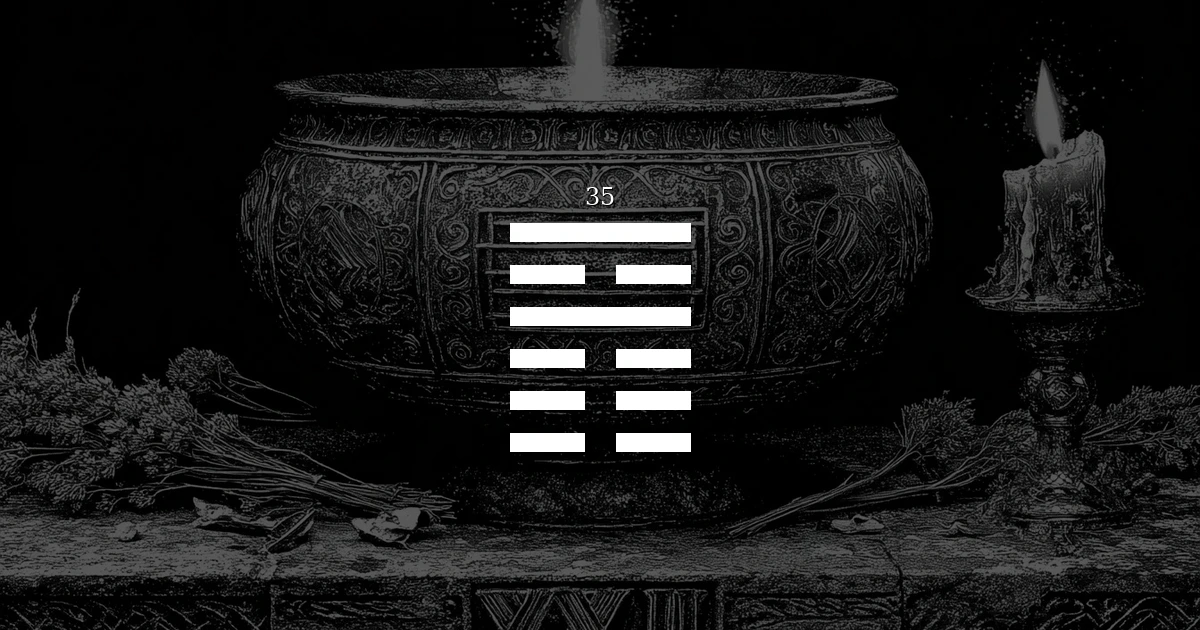
I Ching Nuclear Hexagrams: The Hidden Pattern Inside Each Reading
Every I Ching hexagram contains two nuclear trigrams — lines 2, 3, 4 and lines 3, 4, 5 — that form a hidden hexagram within the hexagram. Here's what the nuclear hexagram shows and how to use it.
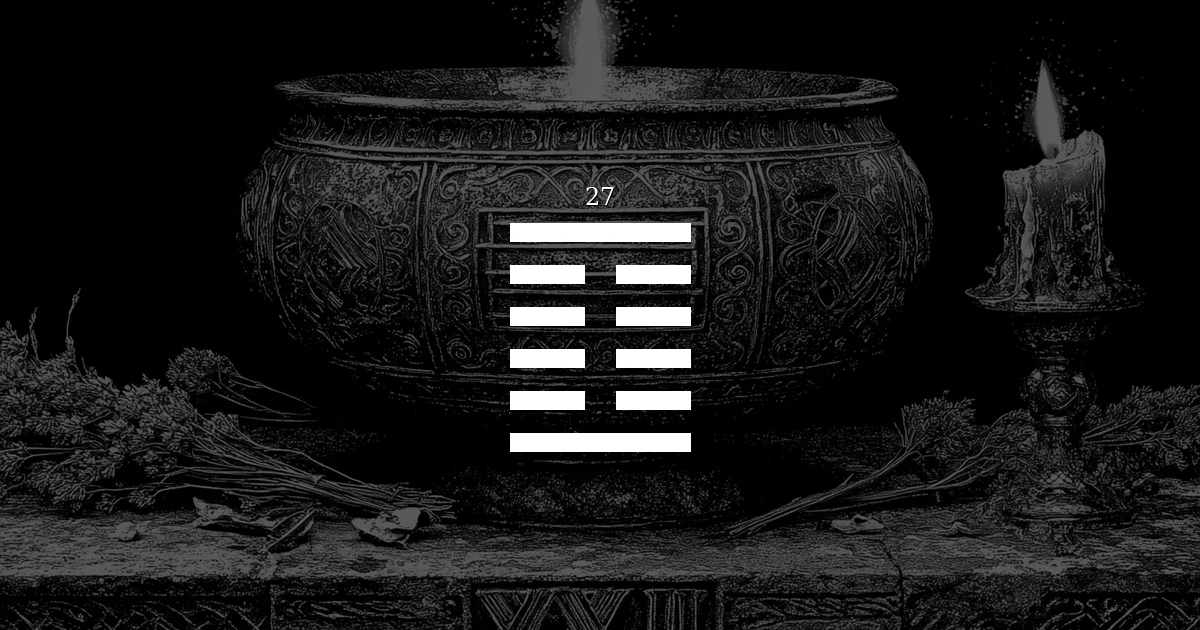
I Ching Translations Compared: Wilhelm, Huang, Ritsema, and Legge
The I Ching you read depends entirely on the translation you use. Wilhelm, Huang, Ritsema, and Legge each made genuinely different interpretive choices — here's what each gives you and what it costs you.
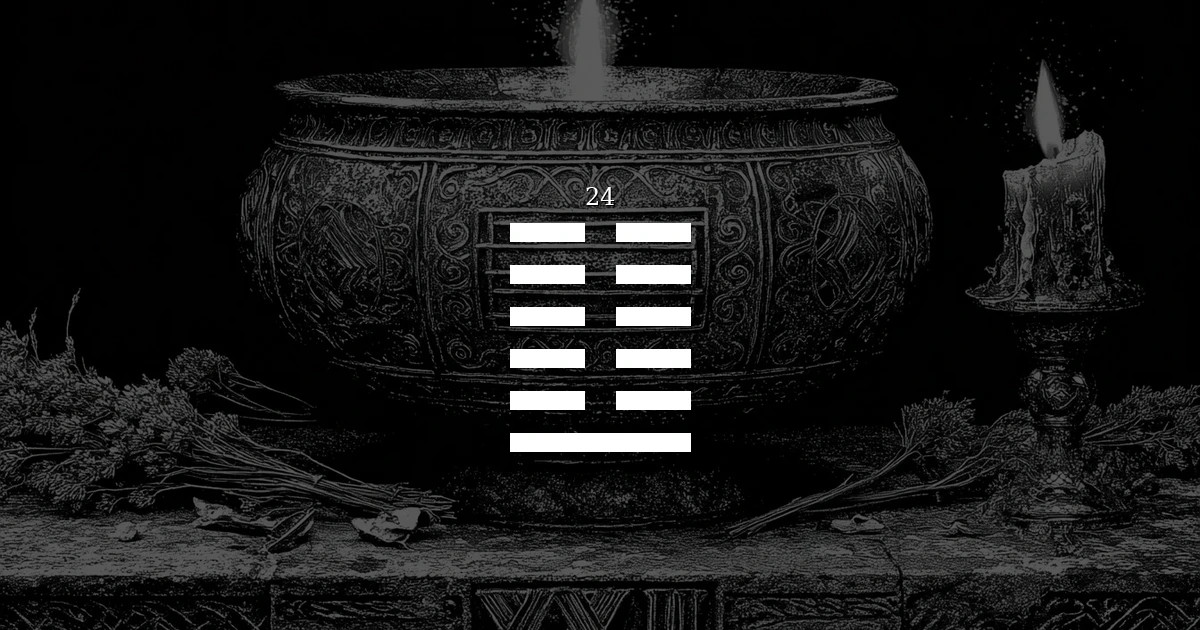
How to Cast I Ching With Yarrow Stalks: The Traditional Method
The yarrow stalk method is slower, more complex, and produces different probabilities than coins. It's also the method the I Ching was originally designed for — and that difference is worth understanding.
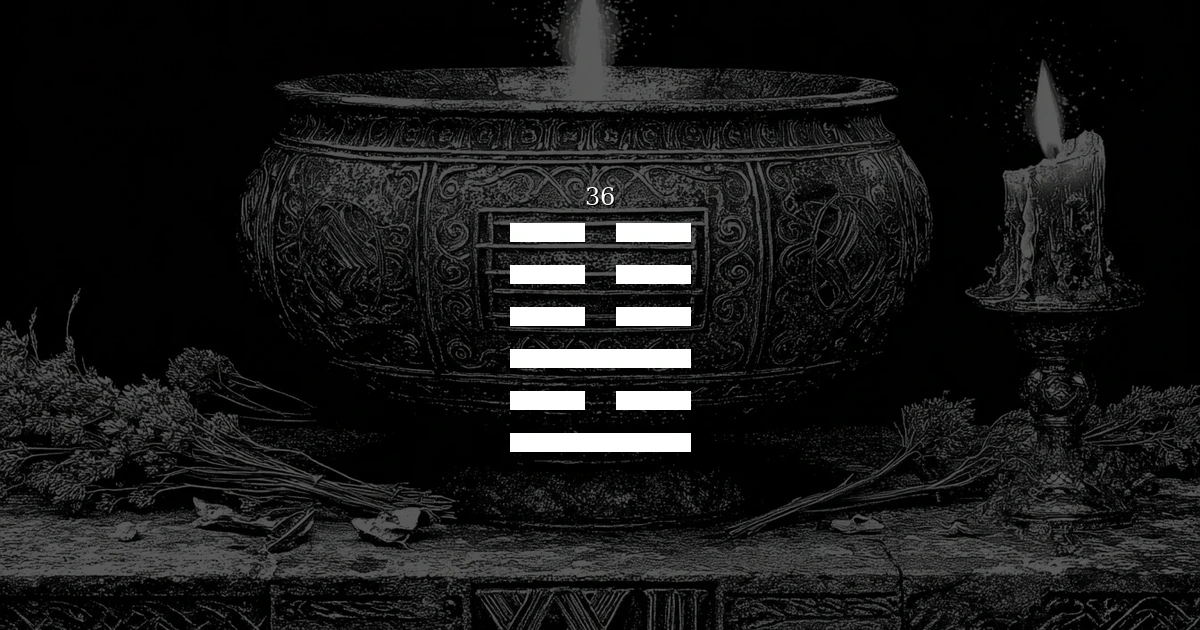
The 64 I Ching Hexagrams: Complete Reference Guide
The 64 hexagrams of the I Ching are the complete vocabulary of a 3,000-year-old oracle — each one a specific configuration of six lines, each with a name, an image, and a judgment. This is a complete, non-mystical reference to all 64, with their core meanings and how they speak to the present moment.
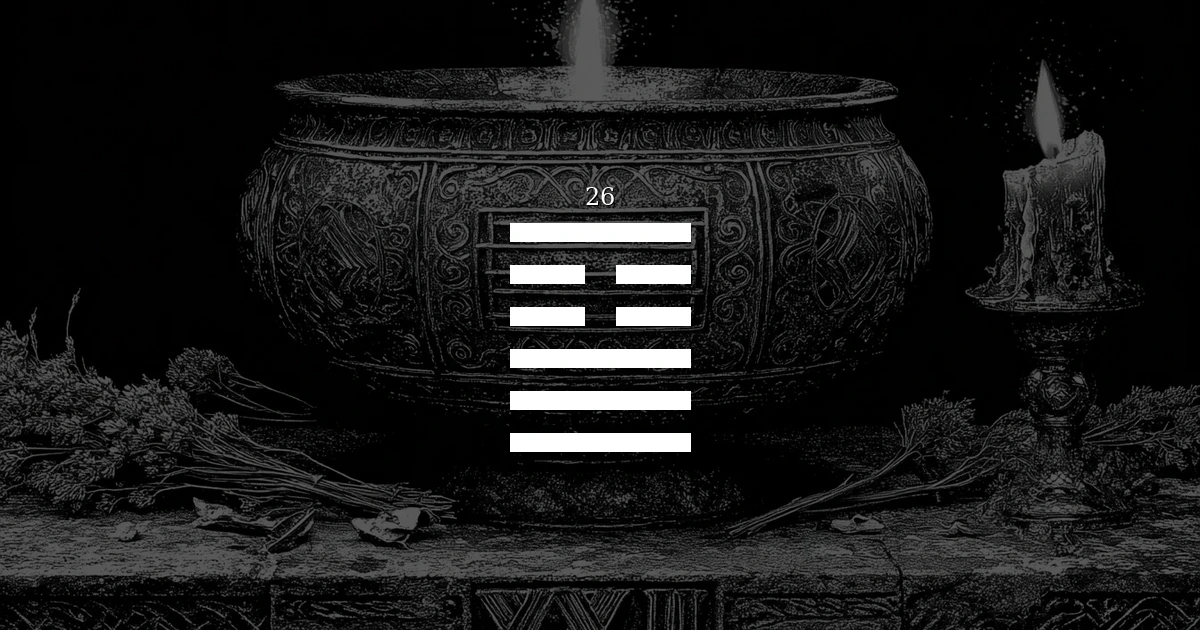
I Ching as a Daily Oracle: How to Use the 64 Hexagrams
The I Ching is an ancient book of change built from 64 hexagrams. This guide covers structure, reading methods, and how a daily practice differs from a crisis throw.