
Philosophy
Belief, ritual, and the philosophy of reading signs.
Why the I Ching Asks Questions Instead of Giving Orders
Every other major divination system delivers answers. The I Ching delivers a situation. The difference isn't stylistic — it reflects a fundamentally different philosophy of knowledge, agency, and what it means to consult an oracle.
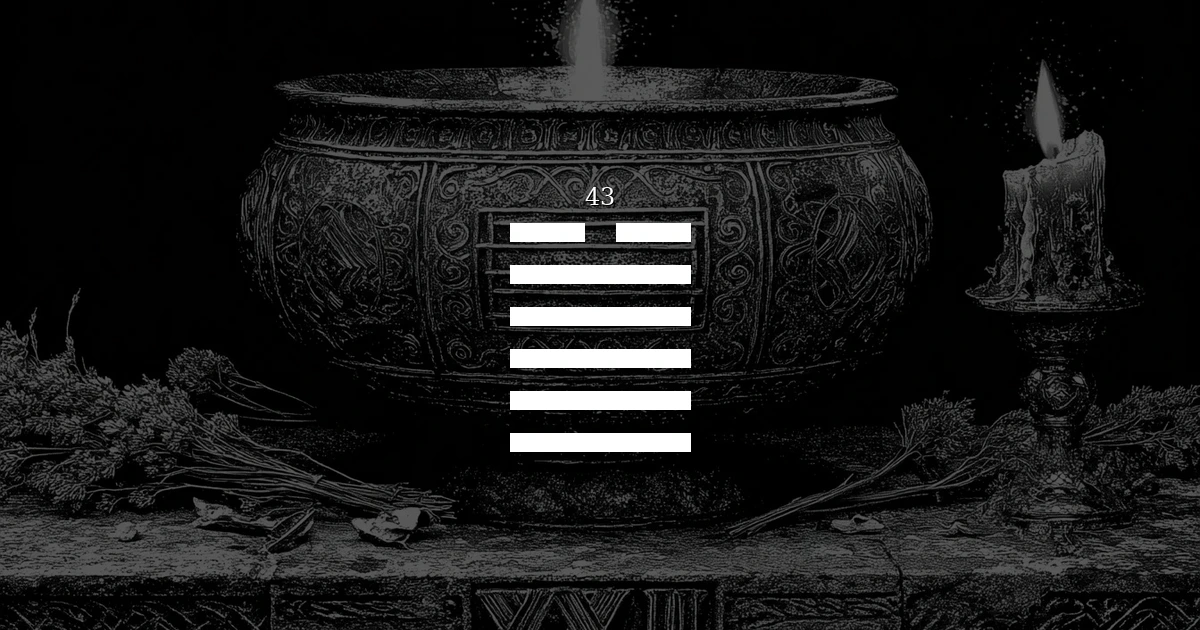
Is Western Astrology Deterministic? What 'As Above, So Below' Really Means
The oldest slogan in astrology sounds like a deterministic claim. Two thousand years of practitioners have tried to explain why it isn't — with mixed results.
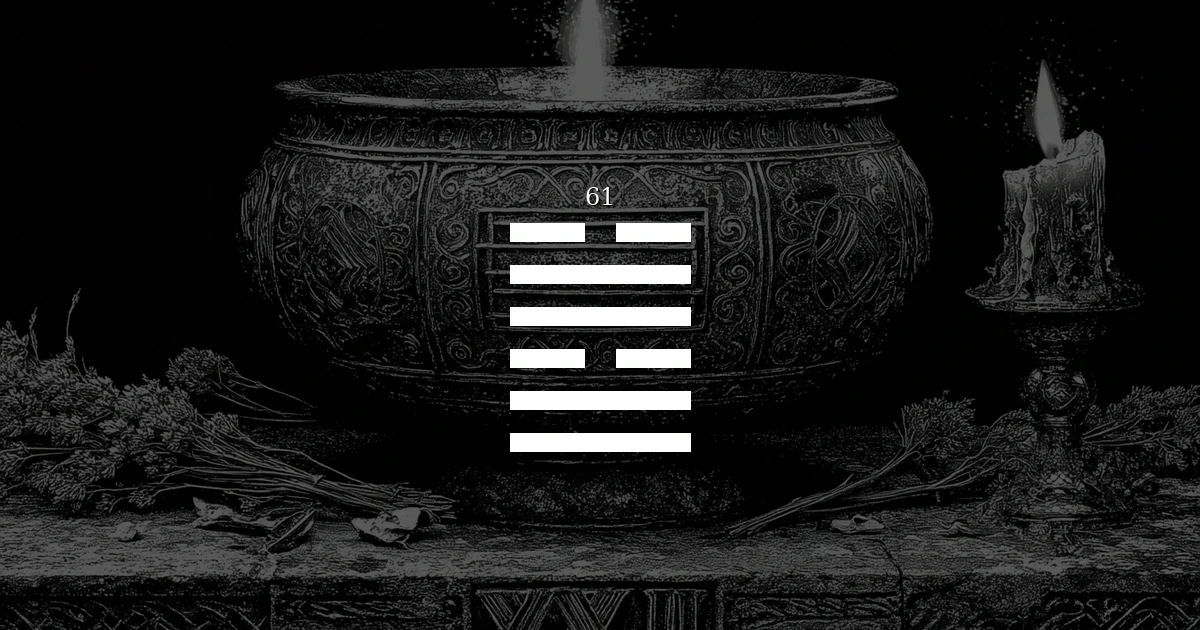
Is BaZi Deterministic? Fate, Choice, and the Four Pillars
BaZi presents itself as a map of fixed destiny. Practitioners insist it's a tool for navigating choice. Both claims can't be entirely right — and sorting them out matters more than it might seem.
"It's Just for Fun" Doesn't Settle the Ethics Question
"It's just for fun" is the most common defense of divination — and the least examined. When a reading shapes a real decision, the ethics don't disappear because the intent was casual.
The Map Is Not the Territory: What Korzybski Has to Do With Your Birth Chart
Alfred Korzybski's most famous idea — that the map is not the territory — turns out to be one of the most useful lenses for understanding what a birth chart, a hexagram, or a rune cast actually is.
The Oracle as Technology: A Different Frame for Ancient Systems
We call ancient divination systems mystical. We might be more accurate calling them technologies — tools designed to solve specific cognitive and social problems that humans still face today.
What the Stoics and the Oracle at Delphi Agreed On
The Stoics and the Delphic oracle are usually treated as opposites — one rational, one mystical. But they shared a deeper agreement about what self-knowledge requires that most modern readings of both traditions miss.
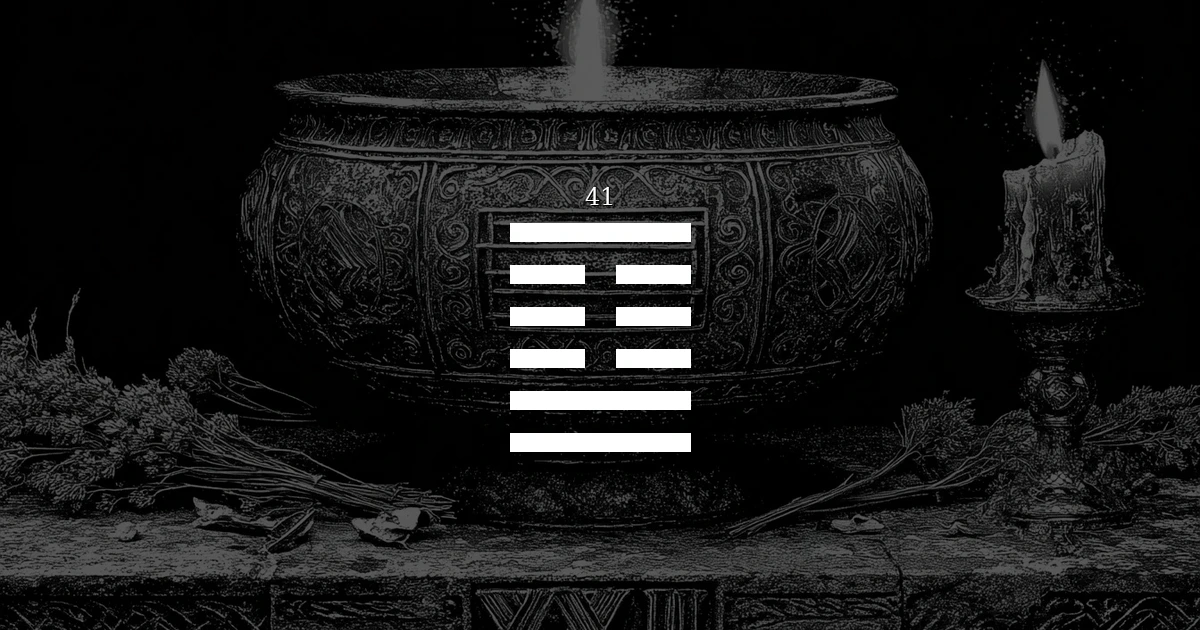
Why We Trust Systems We Can't Verify: The Epistemology of Divination
We trust things we can't fully verify all the time — legal systems, medical protocols, economic models. The epistemology of divination isn't as different from mainstream belief as we usually assume.

Can a System Be Useful and Untrue at the Same Time?
Pragmatism argues that truth is what works. But can a system be genuinely useful — reliably, meaningfully useful — while also being literally false? The question matters more than it sounds.
The Determinism Spectrum: Where Divination Systems Actually Fall
Not all divination systems make the same claims about fate. BaZi, Western astrology, the I Ching, and numerology sit in very different places on the spectrum between hard determinism and radical openness. Here is where each one actually lands.
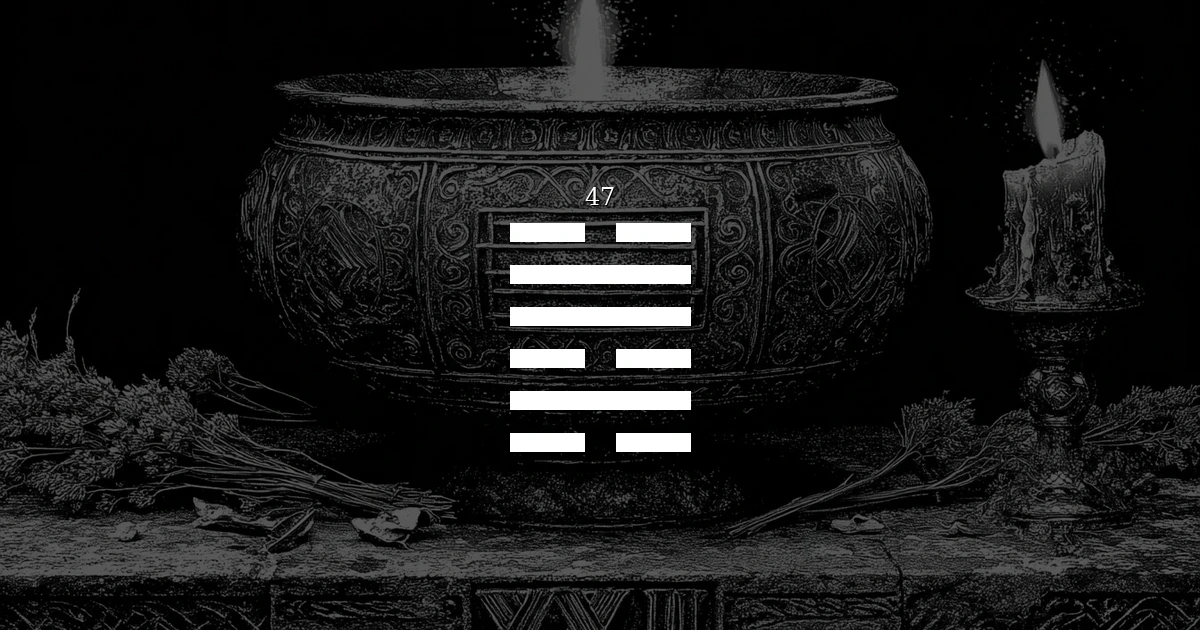
The Ethics of Prediction: What You Owe Someone When You Read Their Chart
When you read someone's birth chart — or receive a reading yourself — ethical questions arise that the divination world rarely confronts directly. Who bears responsibility for what gets said?
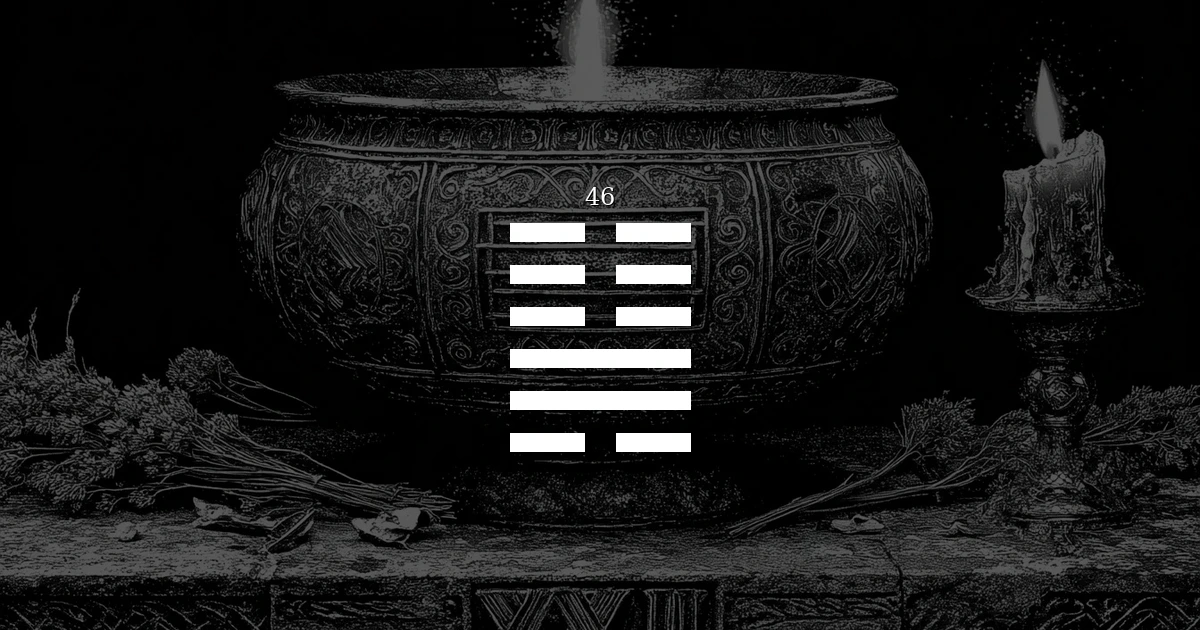
Wilhelm vs Legge vs Blofeld: Comparing the Major I Ching Translations
The I Ching you read depends entirely on who translated it. Wilhelm, Legge, and Blofeld each approached the same text with different assumptions, different methods, and different purposes — and they produced three fundamentally different books.
The Difference Between Meaning and Causation (And Why It Matters for Divination)
Skeptics ask whether astrology causes anything. That's the wrong question. The more interesting question is whether it means anything — and those two questions require completely different answers.
Nine Star Ki and the Illusion of a Fixed Path
Nine Star Ki assigns you a number at birth and describes nine-year cycles of energy. That sounds like a fixed path. But the tradition's own logic — and the structure of its cycles — points toward something more dynamic than fate.
Numerology and Determinism: Do Numbers Decide Anything?
A life path number feels like a verdict. But numerology's long history reveals a system built for self-understanding, not predetermination. The question isn't whether numbers decide your fate — it's what you do with the pattern they name.
The Problem With Self-Knowledge: Why External Frameworks Help
Introspection feels like the most direct route to self-knowledge. Research suggests it's one of the least reliable. Here's why external frameworks — including divination systems — can see things your interior monologue can't.
What Stoicism and Astrology Share (And Where They Part Ways)
Stoicism and astrology were born in the same intellectual world and share more than modern practitioners of either tend to admit. Here's what they agree on — and the one point where they genuinely diverge.
Time as a Language: How Different Cultures Map the Same River
Every civilization built a system for mapping time. What looks like superstition across cultures is often the same underlying question, asked in different grammars. Here's what those grammars reveal.
What Jung Actually Meant by Synchronicity (And How the Word Gets Misused)
Carl Jung's synchronicity is one of the most quoted and least understood ideas in modern thought. Here's what he actually argued — and why it matters for how we read patterns in our lives.

Why Ancient Systems Survived Modernity (When Most Ancient Things Didn't)
The scientific revolution dismantled ancient medicine, ancient cosmology, and ancient physics. But astrology, the I Ching, and tarot are more popular today than at any point in centuries. That asymmetry demands an explanation.

Richard Wilhelm's I Ching: What the Most Famous Translation Gets Right — and Where It Ends
Richard Wilhelm's 1923 translation shaped how the entire Western world reads the I Ching. It gets something deeply right — and leaves something essential out. That gap is not a flaw. It's where personalization begins.
Why the Best Decision-Makers in History Had an Oracle (And It Wasn't About Believing in Magic)
Marcus Aurelius had Stoic philosophy. Reagan had an astrologer. The Oracle at Delphi advised generals for centuries. None of them were naive. So what were they actually using it for?
I Journaled Every Day for a Year. Then I Added an Oracle. Here's What Changed.
Journaling is the most recommended self-reflection tool in the world. It also has a structural flaw nobody talks about: you're the one setting the questions.
Your Morning Routine Is Already a Ritual. The Only Question Is Whether It's Working.
Habit science tells you what to do in the morning. It doesn't tell you who you are when you do it. That's the problem ritual was always designed to solve.
Motivation Is Not a Feeling. It's a Story. And Ancient Systems Knew This First.
Every productivity framework tells you what to do. None of them tell you who you are today. Ancient divination systems were solving a different — and more important — problem.
The Neuroscience of Pattern Recognition Explains Why Horoscopes Feel True (Even When They're Not)
Science can explain why horoscopes feel accurate. What it can't explain away is why that matters — and what it tells us about the mind's deepest need.
Astrology, Free Will, and Fate: The Philosophy That Changes Everything
The debate about astrology usually gets stuck on 'do you believe in it?' That's the wrong question. The right one is older, harder, and more interesting: how much of who you are did you choose?
The Useful Fiction: Can Something Be False and Still Be Worth Believing?
We've been asking the wrong question about divination systems. Not 'is it true?' but 'what does it do?' That shift has a serious philosophical tradition behind it — and some uncomfortable implications.
Is Astrology a Language? The Case for Reading Systems, Not Stars
What if astrology isn't a causal claim about the influence of planets on human affairs, but a symbolic language — a structured vocabulary for naming patterns in human experience? This reframing doesn't rescue astrology from criticism. It relocates the interesting questions.
Why Contradiction Between Systems Is the Most Honest Signal
When your BaZi says one thing and your I Ching says another, the temptation is to pick the reading you prefer. But contradiction between systems is not a failure of the oracle — it is often the most reliable signal the oracle can send. Here's why.
Why Contradictions Between Systems Are the Most Useful Signal
When your BaZi chart says one thing and your Western astrology reading says the opposite, the instinct is to pick the system that told you what you wanted. But the contradiction itself might be the most useful piece of information you received.
Fate vs Free Will: What Every Divination System Actually Claims
Every divination system takes an implicit position on one of philosophy's oldest questions: is the future fixed, or does choice matter? The honest answer is that different systems take genuinely different positions — and that the question is more philosophically interesting than the usual 'stars vs free will' framing suggests.
Is Astrology a Religion? A Serious Answer to a Dismissive Question
The question 'is astrology a religion?' is usually asked dismissively — implying that if it is, it can be dismissed, or if it isn't, it has no legitimate standing. A serious answer requires asking what religion actually is, what astrology actually is, and whether the categories genuinely illuminate or obscure the question.
No Single System Has the Whole Truth — That's the Point
'Which system is the right one?' is the wrong question to ask a divination tool. The fact that a dozen civilizations built these systems independently — and often disagree — isn't a bug. It's the strongest evidence that something real is being tracked, and a clue about how to read them.
Why We Seek Patterns in Chaos (And When That's Wisdom vs Delusion)
The human drive to find pattern in experience is both the source of genuine wisdom and the mechanism behind some of our most persistent delusions. Understanding the difference — when pattern-finding is insight and when it is confabulation — is one of the harder practical problems in the examined life.
The Problem With Certainty: Why 'I Don't Know' Is a Valid Oracle Answer
We approach oracles looking for certainty — clear answers to difficult questions. But the traditions that have developed the most serious oracle practices have always understood that genuine uncertainty is a real category, not a failure mode. Here's why 'I don't know' is sometimes the most honest answer an oracle can give — and why that matters.
What 'Reading the Present' Actually Means (It's Not What You Think)
The Whisper's core claim is 'we don't predict your future, we help you read your present.' This sounds modest — maybe even like a retreat from the more ambitious claims of traditional divination. It isn't. Reading the present is harder than predicting the future, and what it actually involves is more interesting than the slogan suggests.
The Mirror Problem: When Self-Reflection Becomes Self-Deception
Self-reflection is universally praised as a virtue. Self-deception is universally condemned as a failure. The problem is that they look identical from the inside — both feel like honest examination, both produce confident self-knowledge. Here's how to tell them apart, and what this means for using oracular practice well.
Soft Determinism: The Philosophical Position That Makes Astrology Interesting
Most discussions of astrology and free will get stuck in a false binary: either the stars control everything (hard determinism) or they control nothing (pure libertarian freedom). Soft determinism — the philosophical position that determinism and meaningful agency are compatible — offers a more honest and more interesting middle ground.
The Useful Fiction: Can Something Be False and Still Be Worth Believing?
Vaihinger's philosophy of 'as-if' proposed that humans routinely operate on fictions they know to be false — and that this is not a cognitive failure but an intelligent adaptive strategy. What does this imply for divination practice? Is it possible to use an astrological framework sincerely while knowing its metaphysical claims may not be true?