
Divination
Guides to how each tradition works, how to read it, and where to begin — organized by system.
Start here
New to a system? Begin with a clear overview, then move into the reference series for every symbol. Prefer apps and tools? See our reviews and the Whisper app for daily multi-system readings.
I Ching
The I Ching is a 3,000-year-old Chinese oracle built from 64 hexagrams — each a specific configuration of six lines, each with a name, an image, and a judgment. How the oracle works, how to read a hexagram, and what a daily practice actually looks like.
Tarot
Tarot's 78 cards are not a prediction system — they're a structured vocabulary for pattern recognition. The Major Arcana, the Minor Arcana, and what it means to use the deck as a daily mirror rather than a fortune-telling tool.
Nine Star Ki
Nine Star Ki is a Japanese divination system built on nine energetic fields — Water, Wood, Fire, Earth, Metal. Find your Life Star, read annual and monthly cycles, and use the system for daily timing. Complete reference for all 9 stars.
Mayan Tzolkin
The Mayan Tzolkin is a 260-day sacred calendar built from 20 day signs and 13 galactic tones. Each combination produces a unique birth energy that repeats once every 260 days. How the system works and what your Tzolkin day sign reveals.
BaZi
BaZi — the Four Pillars of Destiny — reads a person's birth data as four columns of heavenly stems and earthly branches. The Day Master reveals core element identity. Luck pillars describe how that identity moves through time. Complete guide to the system and all 10 Day Masters.
Numerology
Numerology reduces birth date and name to core numbers — Life Path, Expression, Soul Urge — each describing a different dimension of character and timing. How the calculations work, what each number means, and where the system's actual predictive value lies.
Runes
The Elder Futhark's 24 runes are not an alphabet used for mysticism — they were a practical writing system whose symbols accumulated layers of meaning over centuries. What each rune names, what it implies, and how the system works as a daily oracle.
Nakshatra
The 27 Nakshatras are the lunar mansions of Vedic astrology — the Moon's positions along the ecliptic, each with a distinct deity, symbol, and temperamental signature. How to find your birth Nakshatra and what it reveals beyond the sun sign.
Chinese Zodiac
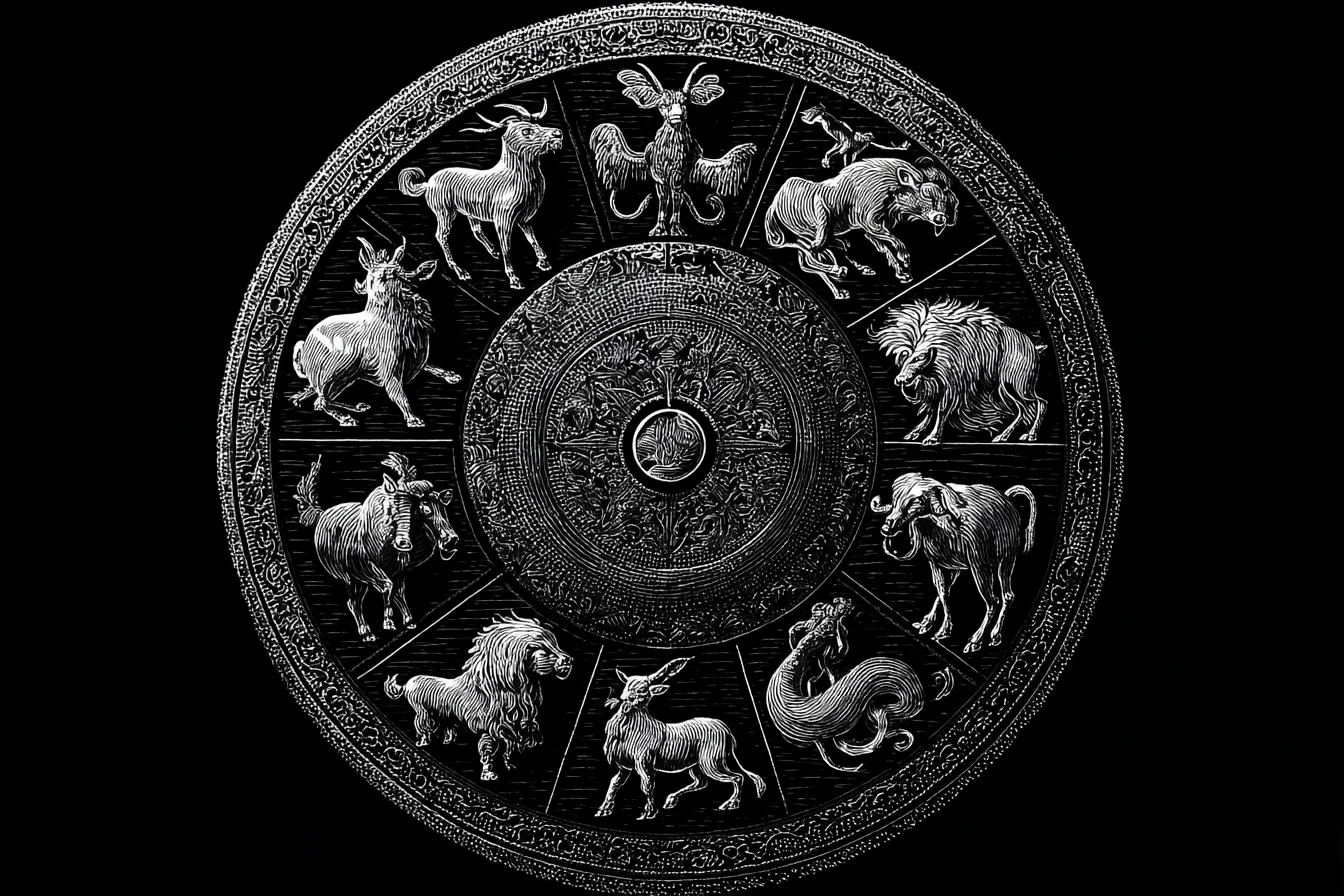
The Chinese Zodiac assigns each birth year to one of 12 animals — Rat, Ox, Tiger, Rabbit, Dragon, Snake, Horse, Goat, Monkey, Rooster, Dog, Pig — each with a distinct element, polarity, and temperamental profile. How the 12-year cycle works and what your animal sign actually describes.
Celtic Astrology
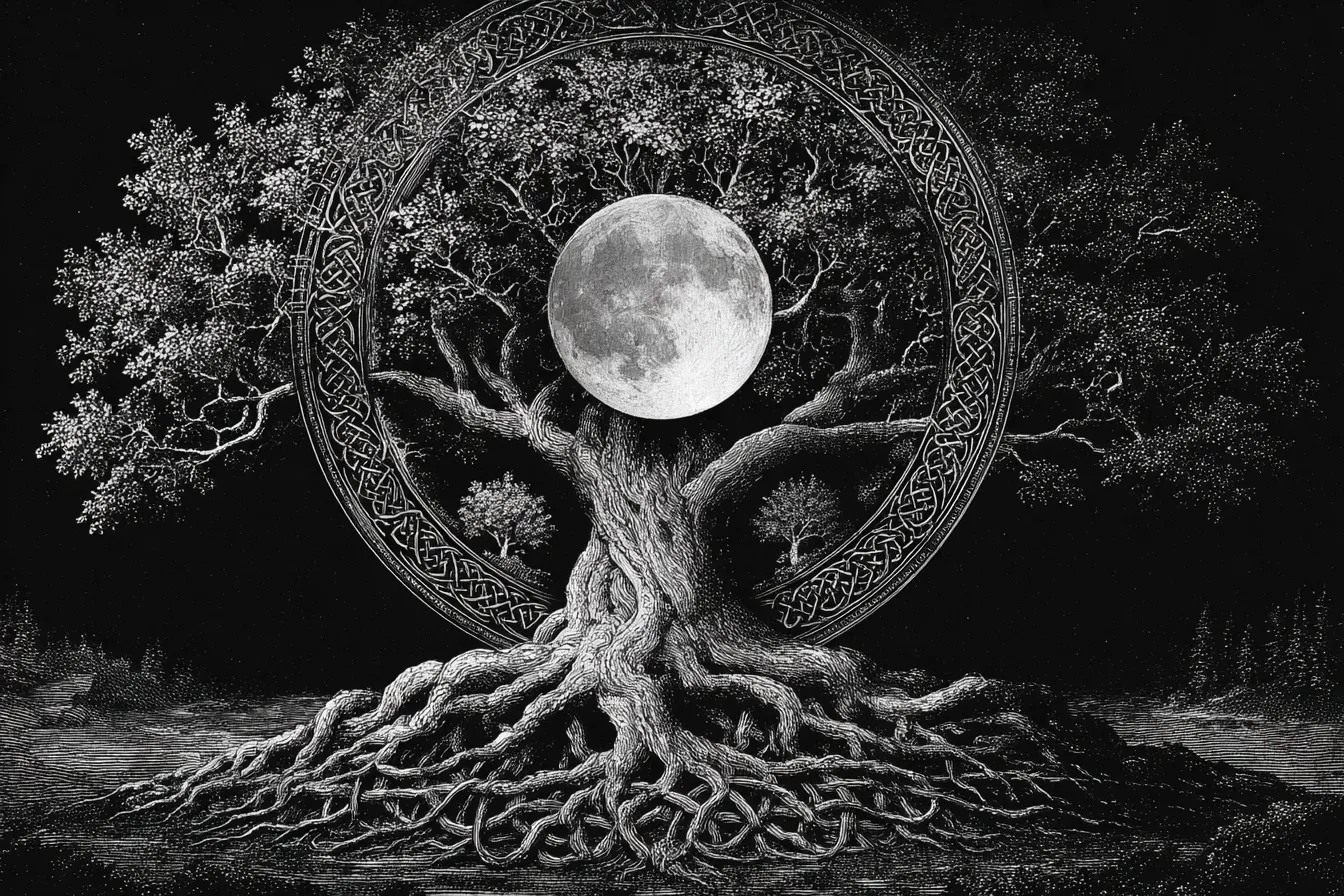
Celtic astrology assigns birth dates to one of 13 lunar tree signs derived from the ancient Ogham alphabet — each tree with a distinct character, season, and symbolic meaning. How the system works and what your tree sign describes.
Vedic Astrology
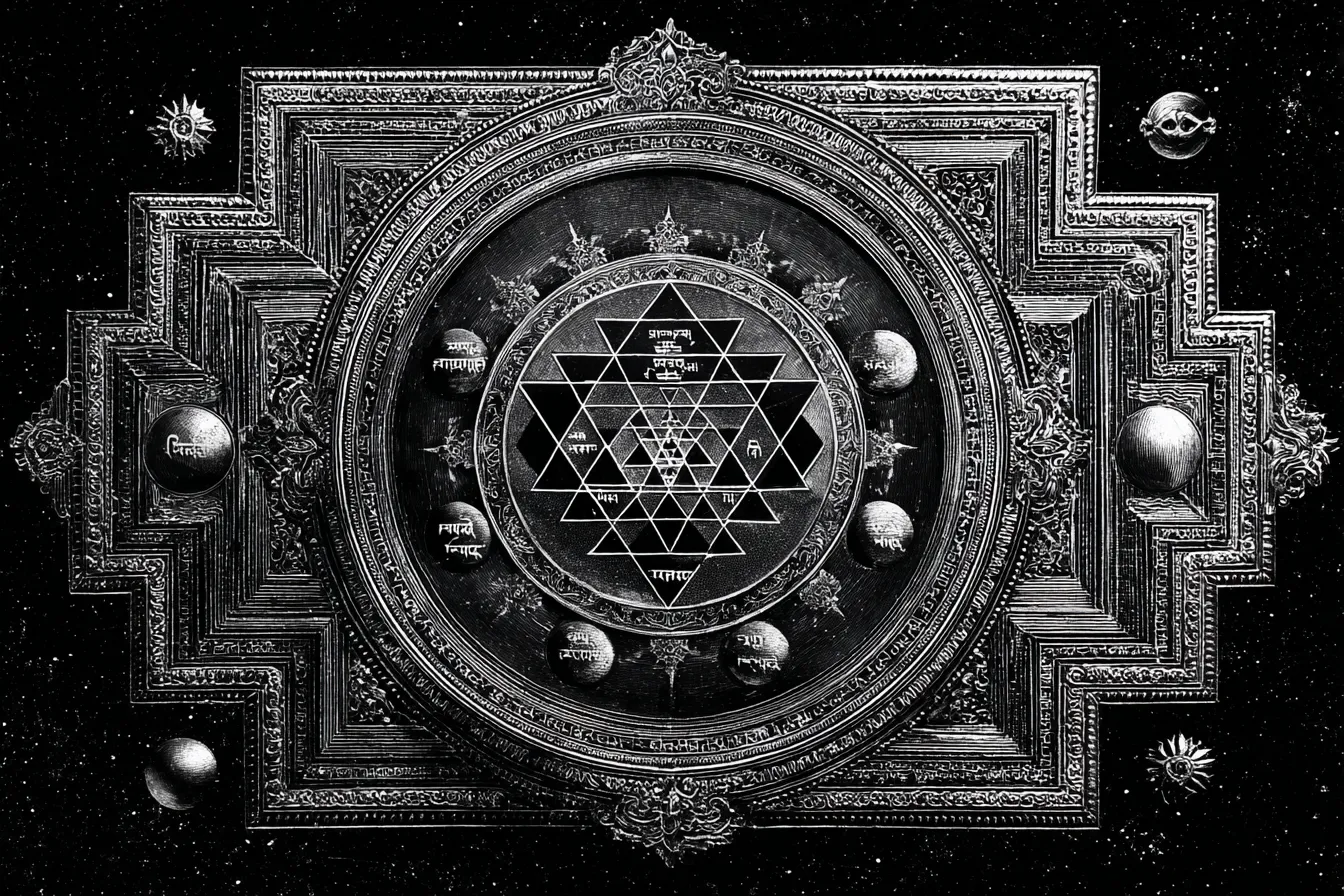
Vedic astrology — Jyotish — is a 5,000-year-old Indian system that reads sidereal planetary positions, dasha timing periods, and divisional charts to describe character and timing. How it differs from Western astrology and why the dasha framework is its most distinctive contribution.
Indian Numerology
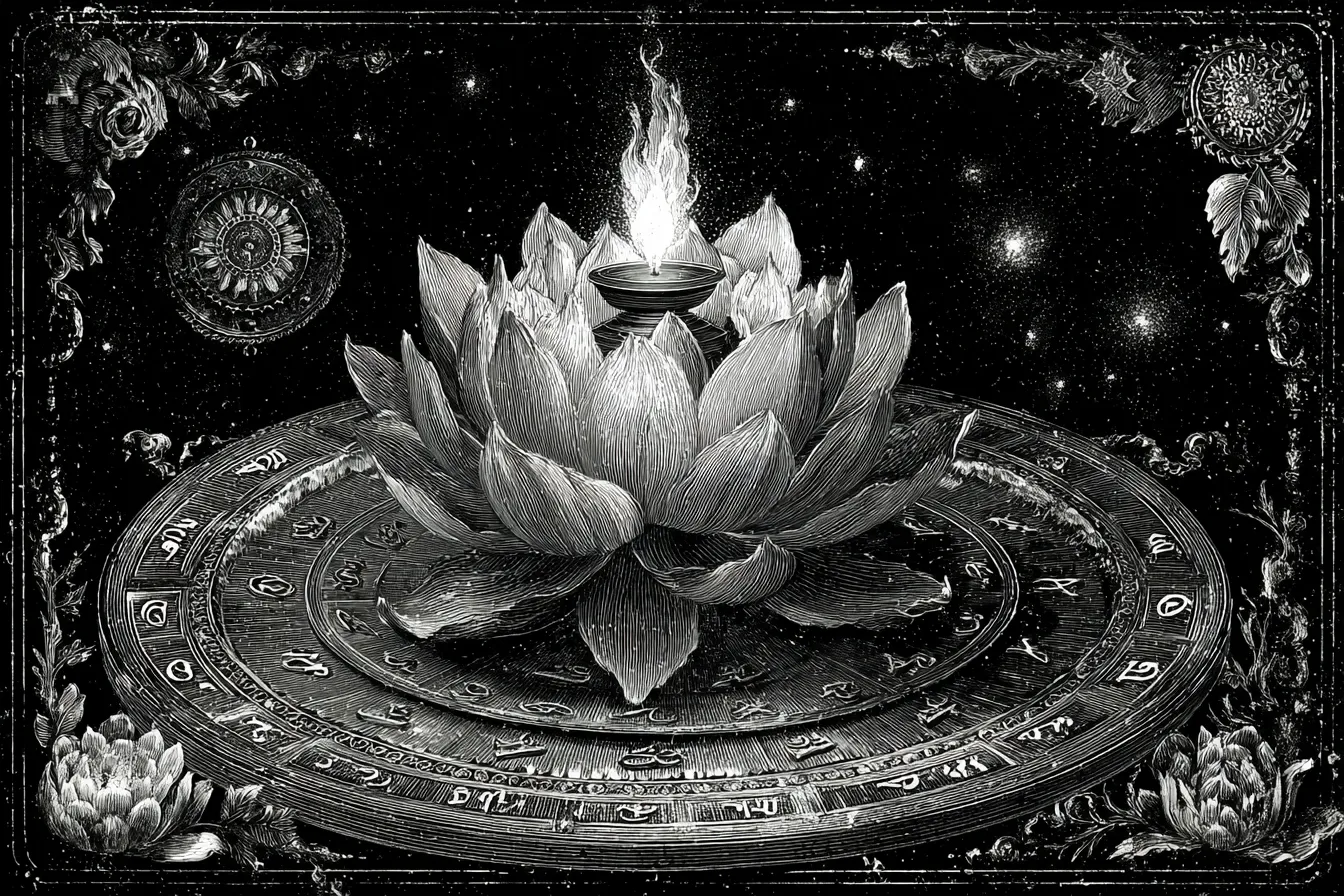
Indian numerology — rooted in Vedic tradition — uses the Chaldean system to derive core numbers from birth date and name. The Psychic number, Destiny number, and Name number each describe a different dimension of character. How it differs from Pythagorean numerology and what it adds.
Zi Wei Dou Shu
Zi Wei Dou Shu — Purple Star Astrology — is a Chinese system that places 14 major stars across 12 palaces to produce a natal chart describing character, relationships, career, and timing. The most complex of the Chinese divination systems and the one with the closest structural resemblance to Western natal astrology.
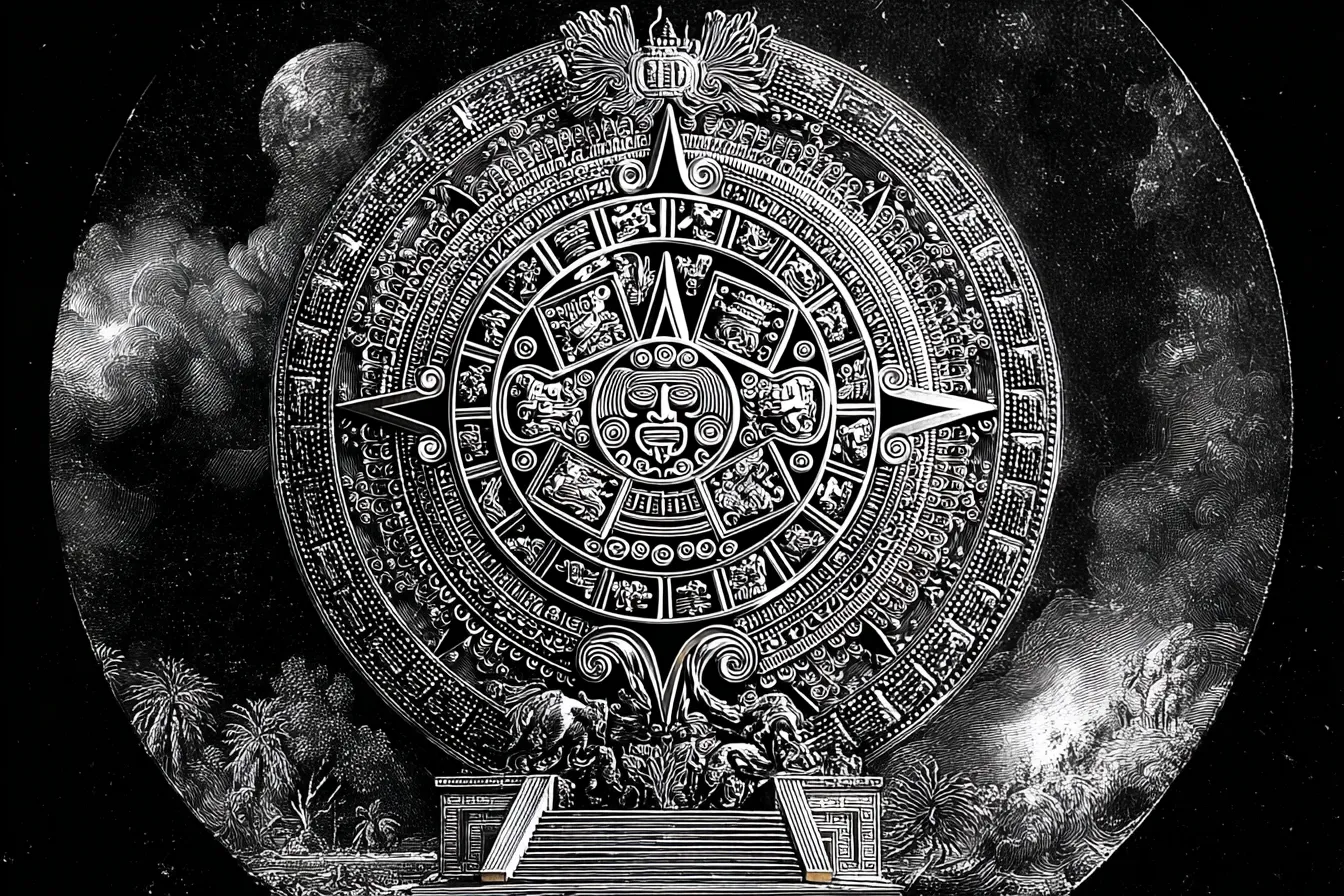
Aztec Calendar
The Aztec Tonalpohualli is a 260-day ritual calendar built from 20 day signs and 13 numbers — structurally parallel to the Mayan Tzolkin but with distinct symbolism and deity associations. What your birth day sign reveals and how the system was used in Mesoamerican practice.
Western Astrology
Western astrology maps the Sun, Moon, and planets against the tropical zodiac at the moment of birth. The 12 signs describe character. The houses describe life areas. The aspects describe how planetary energies interact. How the system works, how it differs from Vedic, and what the birth chart actually shows.