Aztec Calendar
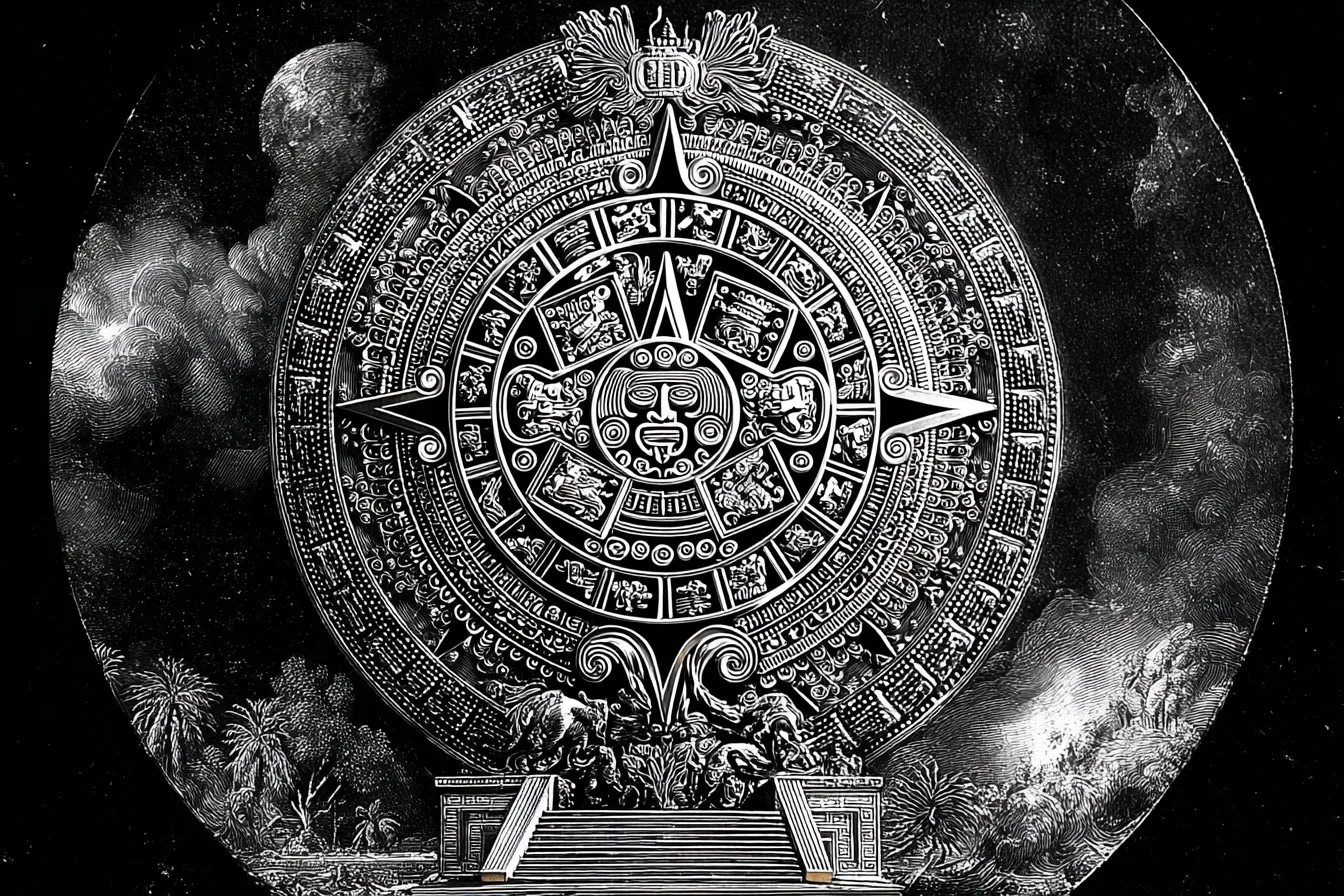
The Tonalpohualli is the Aztec sacred calendar — a 260-day cycle built from 20 named day signs paired with a 13-number cycle. Structurally it parallels the Mayan Tzolkin, and scholars believe both descend from a common Mesoamerican calendrical tradition. Each of the 260 combinations carries a patron deity, a directional association, and a quality of energy that Aztec priests used to determine auspicious timing for births, ceremonies, and decisions. The day sign of a person's birth was considered a primary indicator of character and destiny.
New here? Start with What Is the Aztec Calendar? The Tonalpohualli and Your Birth Day Sign or the reference series The 20 Aztec Day Signs .
Reference
Articles
- how the tonalpohualli works
- tonalpohualli 20 x 13
How the Tonalpohualli Works: 20 × 13, Trecenas, and Two Kinds of Use
The Tonalpohualli is a 260-day machine: twenty day-signs against thirteen numbers, tiled by twenty trecenas. How the count meshes, how priests used it, and how a modern app is a thinner job.
- how to read aztec day sign
- tonalpohualli reading method
How to Read Your Aztec Day Sign: Pair, Context, Then Stop
A method for the Tonalpohualli birth pair: day sign plus number, one honest sentence, and a short list of things not to do — including collecting all twenty signs as a self.
- aztec calendar tonalpohualli explained
- what is aztec numerology
What Is the Aztec Calendar? The Tonalpohualli and Your Birth Day Sign
The Tonalpohualli is the Aztec sacred calendar — 260 days made from 20 day signs combined with 13 tones. Your birth day sign is fixed at birth and describes a fundamental quality of your energy. Here's how the system works.
- aztec calendar vs mayan calendar
- tonalpohualli vs tzolkin
Aztec Calendar vs Mayan Calendar: Related Counts, Different Cultures
Tonalpohualli and Tzolkin share a 260-day, 20 × 13 structure. They do not share names, books, priesthoods, or modern correlations. Not the same calendar in a different app skin.