
Reviews
Honest looks at astrology and divination apps.
Is AskSoma Worth the Subscription? Pricing Breakdown 2026
AskSoma's free tier is unusually generous for the category. The $12.99/month Pro plan adds real depth — but whether it's worth it depends entirely on how seriously you engage with Vedic astrology specifically.
Best Birth Chart Apps 2026: Depth vs Accessibility
The more accurate and detailed a birth chart app gets, the less accessible it tends to become. Here's how the major options trade off depth against ease of use — and where that tradeoff actually matters.
Best Free Astrology Apps 2026: What's Actually Free (And What Isn't)
Almost every astrology app advertises a free tier. Almost none of them are free in the way the word implies. Here's what you actually get without paying — and where the wall comes up.
Best Astrology Apps for Beginners 2026: Ranked by What Actually Helps
Most beginner astrology apps optimize for engagement, not understanding. Here's what actually helps someone learn to read a chart — ranked by how well each app teaches, not just how often it notifies.

AI Astrology Chatbots Compared: ChatGPT, Co-Star, and The Pattern
ChatGPT, Co-Star, The Pattern, and a few others all claim to use AI for astrology. What they actually do — and how they differ — is a more interesting story.
Best Apps for Daily I Ching Practice
The best apps for building a daily I Ching practice — from purist coin-toss simulations to deterministic daily hexagrams tied to your birth date.
Best Apps for Learning Astrology From Scratch 2026
Want to actually understand astrology — not just read your horoscope? These are the apps that teach you the system, not just the result.

Best Astrology Widgets and Lock Screen Apps 2026
The best astrology widgets for your iPhone or Android home screen and lock screen in 2026 — ranked by what actually updates meaningfully each day.

Best Compatibility Apps 2026: Synastry Without the Spreadsheet
The best apps for astrological compatibility in 2026 — covering synastry, composite charts, Jyotish kundali matching, and multi-system relationship readings.
Best Jyotish Apps for Nakshatra and Dasha Readings 2026
Looking for a Jyotish app that actually handles Nakshatra placements and Dasha periods? We tested the top options so you don't have to.
Best Multi-System Astrology Apps 2026: When One Chart Isn't Enough
Most astrology apps cover one system. These are the apps that go wider — combining Western, Vedic, BaZi, Nine Star Ki, and other frameworks into a single daily experience.
Is Co-Star Accurate? A Data-Driven Look at User Reports
People either swear by Co-Star or think it's nonsense. We looked at what user reports, chart accuracy testing, and the psychology of resonance actually tell us.
Sanctuary App Pricing 2026: What You Get at Each Tier
Sanctuary's pricing has three tiers and the differences are less obvious than they look. Here's exactly what sits behind each paywall — and whether it's worth it.
What Happened to The Pattern? Alternatives If You're Migrating
The Pattern has changed significantly — or you've outgrown it. Either way, here's what's worth trying next, and what each alternative actually offers.
Astro.com Review 2026: Is It Still the Gold Standard for Birth Charts?
Astro.com remains the most powerful free birth chart tool on the web — but 'powerful' and 'useful for daily life' are not the same thing. An honest look at what it does exceptionally well, where it shows its age, and who should be using it in 2026.

Astro.com vs The Whisper: Data Depth vs Daily Signal
Astro.com is the gold standard for Western birth chart data. The Whisper is a daily synthesis across fifteen systems. These are different products solving different problems — here's how to decide which one belongs in your practice.

Best Astrology Apps for Android 2026
Android users have historically gotten a worse deal from astrology apps than iPhone users — fewer exclusives, more ad-heavy free tiers, occasional feature lag. That's changed substantially. Here's what's actually worth installing in 2026, ranked by what each app does best.

Best Astrology Apps for iPhone 2026
iPhone users have long had the best-supported astrology apps, but Lock Screen widgets, Focus modes, and Dynamic Island integration mean not every app uses iOS the same way. A full ranking for 2026, with attention to what's actually iOS-specific.
Best BaZi Apps 2026: What the Western Market Gets Wrong
BaZi is arguably the most sophisticated personal destiny system in the world — and the English-language app market for it ranges from mediocre to nonexistent. Here's an honest map of what exists, what's missing, and what to use in the meantime.
Best Daily Horoscope Apps 2026: Push Notifications That Don't Feel Generic
Most daily horoscope notifications say nothing specific to you — the same 280 characters going out to everyone with your sun sign. A few apps have actually solved this. Here's what genuinely personalized daily astrology looks like in 2026, and which apps deliver it.

Best Free Numerology Calculators Online 2026
Most free numerology calculators do the same basic math — but the quality of what happens after the math varies enormously. A ranked look at the best free options in 2026, what each one actually calculates, and how to tell a useful calculator from a thin one.
Best Free Tarot Reading Apps 2026
Free tarot apps range from genuinely useful daily practice tools to thin wrappers around stock card images with generic text. A ranked guide to the best free options in 2026, what makes a tarot app worth keeping, and how to spot the difference.

Best Human Design Apps 2026: Genetic Matrix, MyBodyGraph, and the Rest
Human Design has moved from niche to mainstream without a clear app winner emerging. Genetic Matrix is the deepest, MyBodyGraph is the most accessible free option — here's the full breakdown for 2026.
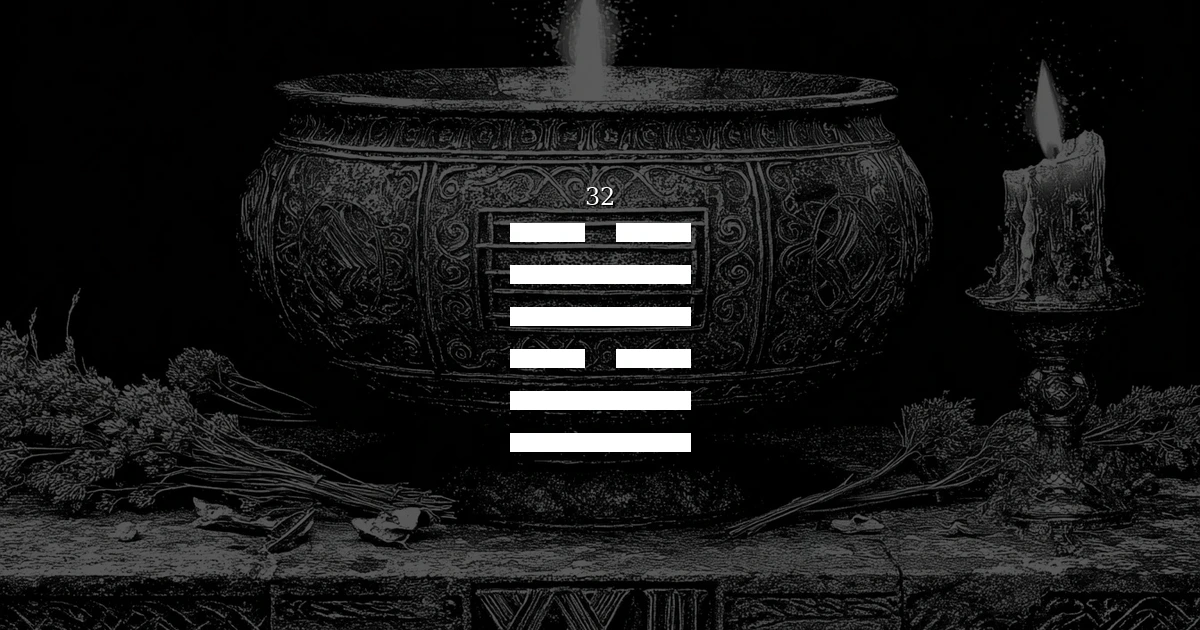
Best I Ching Apps: Casting, Translations, and Privacy Compared
A current comparison of I Ching apps with verifiable listings, ranked by textual transparency, casting method, changing-line handling, journaling, privacy signals, and platform availability.

Numerology Apps Ranked 2026: What Actually Works
The numerology app market ranges from genuinely useful to numerically dressed-up horoscope generators. Here's what separates the ones worth using from the ones that are just Sun Sign astrology with different numbers.
Best Tarot Apps 2026: Human Reading vs AI
The tarot app market split decisively in 2025: AI-generated readings on one side, live human readers on the other. Here's what each delivers, what each can't, and which apps are worth your time in 2026.
Best Vedic Astrology Apps 2026: Ranked
We tested the leading Vedic astrology apps of 2026 — from AI-powered Jyotish platforms to India's most-used Kundli tools. Here's who stands out, who falls short, and which type of user each is built for.
Chani App Review 2026: Social Justice Astrology, Delivered Well
The Chani app delivers thoughtful, socially conscious Western astrology in a well-designed package. This review examines what it does differently, who it's genuinely built for, and where its single-system focus leaves meaningful gaps.
Chani vs Co-Star: Which Astrology App Should You Choose?
Co-Star and Chani are often the first two apps people consider — but they're built around almost opposite philosophies of what daily astrology should feel like. A direct comparison of tone, content depth, notification style, and who each app actually serves.
Co-Star Alternatives 2026: Five Apps Worth Trying Instead
Co-Star introduced millions of people to algorithmic astrology — but its blunt notifications, occasionally inaccurate AI-generated text, and Western-only scope leave gaps that other apps fill in different ways. Five genuine alternatives, and what each does that Co-Star doesn't.
Genetic Matrix Review 2026: The Human Design Standard, Tested
Genetic Matrix is the most complete Human Design platform available in 2026 — Ra Uru Hu's original recordings, daily transit tracking, AI assistance, and professional-grade chart tools in one place. Here's what it actually delivers, and who it's for.
MyBodyGraph Review 2026: Free Human Design Charts, What's Missing
MyBodyGraph offers the most accessible free Human Design chart on the web — clean, accurate, and genuinely useful for getting started. But as a daily practice tool, it has real limitations worth knowing before you commit.
Pyrra App Review 2026: Human Design Meets Daily Notifications
Pyrra took Human Design — historically a one-time chart you'd consult occasionally — and turned it into a daily notification habit. Does the format suit the system? An honest look at what works, what's lost in translation, and who it's for.
Sanctuary vs Co-Star: Which AI Astrology App Wins?
Co-Star pioneered algorithmic daily astrology. Sanctuary took the same foundation and added conversational AI you can actually talk to. Two apps, two different ideas about what an astrology app should let you do — compared head to head.
What Happened to the Pattern App? Status and Review 2026
The Pattern went viral in 2019, attracted celebrity fans, and then went quiet. Here's the current status of the app in 2026, an honest review of what it does, and who it's still worth using for.
The Pattern vs Co-Star: Comparing Two Relationship-Focused Apps
Both apps promise insight into your relationships, but they get there through different routes — Co-Star through chart-based synastry, The Pattern through a psychological-pattern framework built around recurring relational dynamics. A direct comparison for anyone choosing between them.
TimePassages App Review 2026: The Chart Nerd's App
TimePassages is the most technically serious Western astrology app available on mobile. If you want to actually understand your chart — not just read about it — this is your app. Here's what it gets right, and where it runs out of road.

AskSoma vs The Whisper: Two Approaches to Vedic AI
AskSoma goes deep into Vedic astrology. The Whisper synthesizes Vedic alongside 14 other systems into one daily signal. They are solving different problems — and understanding that distinction makes the choice straightforward.
Co-Star Review: Worth It in 2026?
Co-Star is still the most recognizable astrology app in the world. But in 2026, is it still worth using? An honest look at what it does well, where it plateaus, and who it's actually built for.
Nebula App Review: Worth It in 2026?
Nebula is one of the most downloaded astrology apps in the world. It's also one of the most complained about for billing confusion. An honest look at what it actually delivers, what it costs, and who it's built for.
Nebula vs The Whisper: Mainstream Polish vs Multi-System Depth
Nebula is polished, mainstream, and built for casual daily use. The Whisper synthesizes 15 ancient systems into one daily signal. Same surface category, genuinely different products — here is how to tell them apart.
Sanctuary Astrology App Review: Features, Pricing, and Live Readings
Sanctuary centers live astrologers, tarot readers, and psychics rather than automated interpretation. That is a real differentiator, but current per-minute rates make it a tool for occasional consultations, not an inexpensive daily habit.
Sanctuary vs The Whisper: Human Readers vs AI Synthesis
Sanctuary connects you with real human readers. The Whisper synthesizes 15 ancient systems into one daily signal. These are genuinely different products for genuinely different needs — here is how to know which one belongs in your life.
The Pattern Review: Worth It in 2026?
The Pattern deliberately hides astrological language and gives you personality analysis instead. That's a real design choice with real trade-offs. An honest review of what it does, what it costs, and who it's actually built for.
The Pattern vs The Whisper: Psychology vs Synthesis
The Pattern translates astrology into psychology and hides the mechanics. The Whisper synthesizes multiple traditions and shows you the signal. Two genuinely different philosophies about what an astrology app should do.
Why Most Astrology Apps Only Cover One System (And What You're Missing)
Most astrology apps stop at one system — usually Western sun signs. That's a business choice, not a limit of divination itself. Here's what a single-system app can't show you, why multi-system synthesis is genuinely hard to build, and which apps are actually doing it.
AskSoma Review: Is Vedic AI Astrology Worth It?
AskSoma is one of the most serious Vedic AI astrology apps available. Here's an honest look at what it does well, where it stops — and what to use when you want Vedic inside a broader daily signal.

BaZi vs Western Astrology: Two Systems, One Person
BaZi and Western astrology ask fundamentally different questions. One tracks the sun through 12 signs; the other maps four pillars of elemental energy from birth. Running both on the same person reveals something neither system shows alone.
Is AI Astrology Accurate? I Tested 5 Apps With the Same Birthday
I used the same birth data across five AI astrology apps to compare what 'accuracy' can even mean: specificity, calculation, consistency, and usefulness — not a lab truth score.
The Problem With Co-Star (And What to Use Instead)
Co-Star made AI astrology mainstream, but long-term users often hit a ceiling. Here is an honest look at what it does well, where the limits show, and what to try next.
Best AI Astrology Apps 2026: Ranked by Depth
Five major AI astrology apps ranked by what actually matters in 2026: system depth, personalization, and whether the AI synthesizes signal or just sounds smart.
Co-Star vs The Whisper: Honest Comparison
An honest comparison of Co-Star and The Whisper across depth, pricing, social features, and daily signal quality.