Chinese Zodiac
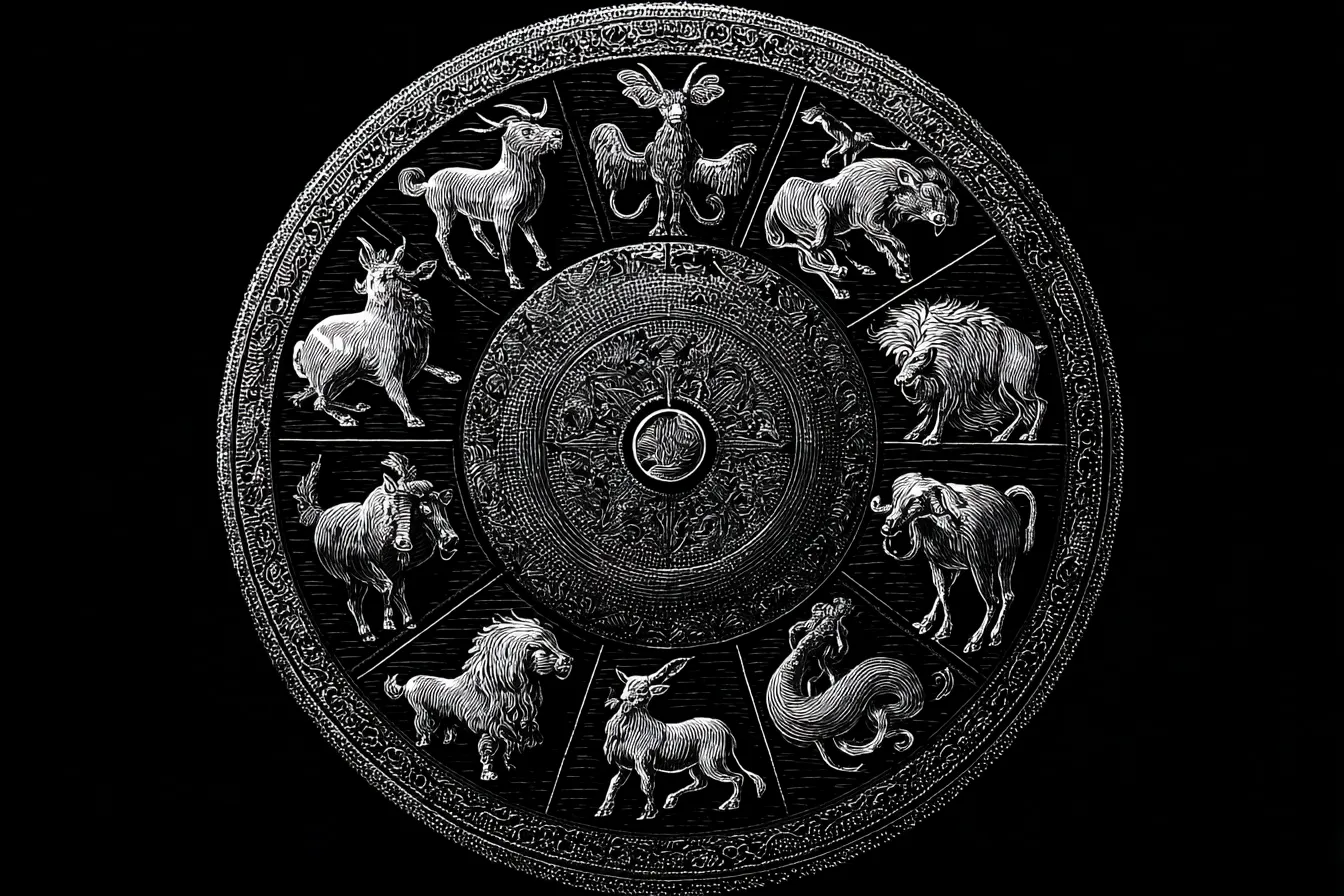
The Chinese Zodiac is a 12-year cycle in which each year is governed by one of 12 animals, each paired with one of the Five Elements in a 60-year grand cycle. The animal sign describes broad temperamental tendencies, relational style, and the quality of energy someone brings to situations. It's the most widely recognized layer of Chinese cosmology, but within BaZi and other systems it functions as one signal among many rather than the primary frame. The year animal is the outermost layer; the Day Master is the core.
New here? Start with Chinese Zodiac Compatibility: Every Pairing Explained or the reference series The 12 Chinese Zodiac Signs .
Reference
Articles
- chinese zodiac five elements
- wood dragon vs fire dragon
Chinese Zodiac Five Elements: Why a Wood Dragon Is Not a Fire Dragon
The popular animal year is one layer. Each year also carries a Heavenly Stem element, so the same animal repeats every 12 years but the full stem-branch pair repeats every 60. This guide explains the five-element overlay without collapsing it into a lucky-color list.
- lichun vs chinese new year
- lichun year cut
Lichun vs Chinese New Year: Why Your Year Animal Can Disagree
Lichun around 4 February is the solar-year cut used by BaZi and Nine Star Ki. Lunar New Year is the festival date. A 25 January 1990 birthday shows why the party animal and the chart year are not the same switch.
- chinese zodiac compatibility
- chinese zodiac pairing
Chinese Zodiac Compatibility: Every Pairing Explained
Chinese Zodiac compatibility isn't about romance alone — it maps how any two people's elemental energies interact across work, family, and friendship. Here's every pairing explained, with the real logic behind why some signs clash and others compound.
- chinese zodiac vs bazi couples
- year animal versus four pillars
Chinese Zodiac vs BaZi for Couples: Year Animal Is Not a Chart
A Chinese zodiac animal is the Year Branch. A BaZi chart is four pillars. For couples, a year-animal pairing is a poster — not a substitute for two charts.